English | Português

Inflamação

Interesse da Investigação

Inflammation is an immediate response to foreign challenge and/or tissue injury characterized by local and transient extravasation of soluble molecules and leukocytes from blood into non lymphoid tissues (LINK). While the physiologic purpose of inflammation is to restore homeostasis there are many instances where inflammation becomes pathologic (LINK/LINK). Moreover, there is a general consensus that some of the major causes of human morbidity and mortality worldwide (LINK) are in fact due to pathologic conditions in which inflammation and/or immunity are the underlying cause of disease. The research effort developed in our laboratory is aimed at understanding the cellular and molecular mechanisms assuring that in the overwhelming majority of the cases, inflammation exerts its physiologic purpose without becoming pathological. Our body of work supports the notion that one of such mechanisms relies on the expression of cytoprotective genes that allow inflammation to progress without causing irreversible tissue damage. One of these genes is the stress responsive enzyme heme oxygenase-1 (HO-1 encoded by the HMOX1 gene), which under inflammatory conditions becomes the rate-limiting enzyme in the catabolism of free heme (LINK) into biliverdin (LINK), free iron and the gasotransmitter carbon monoxide (CO)(LINK/LINK). Free heme can be produced under a variety of inflammatory conditions promoting tissue damage, which presumably explains why HO 1 exerts salutary effects against a broad spectrum of immune mediated inflammatory diseases (LINK).

The inflammation laboratory is seeking highly motivated post doctoral fellows. If interested, please think about what you would like to do in our laboratory/institute and send us a “letter of motivation”, CV and two reference names to mpsoares@igc.gulbenkian.pt

Miguel Soares - CV

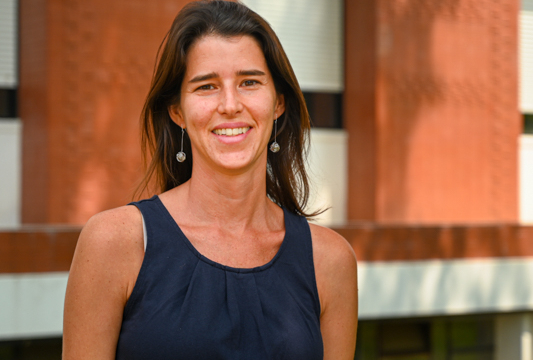
Miguel Soares

Ph.D. in Cell Biology

University of Louvain, Louvain


Investigador Principal
Telefone 21 446 4520
Exensão 520
Email
Local (Ala) Gil Eanes (A2) - Sala 2A

Membros do Grupo

Rasmus Larsen Postdoc
Tel: 21 440 7927
Ana Cunha Postdoc
Tel: 21 440 7927
Jerzy Kotlinowski Postdoc
Tel: 21 440 7927
Raffaella Gozzelino Postdoc
Tel: 21 440 7927
Susana Ramos Postdoc
Tel: 21 440 7927
Zélia Gouveia External Ph.D. Student
Tel: 21 440 7927
Silvia Cardoso Research Technician
Tel: 21 440 7927
Andreia Cunha 2005 PDIGC PhD Student
Tel: 21 440 7927
Sofia Rebelo Laboratory Manager
Tel: 21 440 7927
Bahtiyar Yilmaz 2009 PIBS
Tel: 21 440 7927


Projecto de Investigação

Modulation of pro inflammatory signal transduction pathways by the heme/heme oxygenase-1 system

Several molecules expressed by microorganisms as well as many endogenous molecules released during tissue damage can induce the expression of pro-inflammatory genes underlying the initiation of inflammatory responses. This phenomenon relies on the recognition of those exogenous or endogenous molecules by a series of evolutionary conserved pattern recognitions receptors (PRR) expressed by innate immune cells as well as by other cell types such as vascular endothelial cells (LINK). While essential to elicit inflammatory responses, the signal transduction pathways triggered upon engagement of PRR must be tightly regulated as to prevent unfettered inflammation, tissue damage and ultimately disease. This occurs, to a large extent, via the expression of a second layer of genes we refer to as "protective genes", based on their dual anti-inflammatory and cytoprotective functions (LINK). The stress responsive heme catabolizing enzyme heme oxygenase-1 (HO-1) is a prototypical "protective gene" (LINK) that modulates the expression of pro-inflammatory genes in innate immune cells (LINK) as well as in endothelial cells (LINK/LINK). This occurs via distinct mechanisms that rely, to a large extent, on the generation of the different end-products of heme catabolism by HO-1, namely biliverdin, labile iron and the gasotransmitter (LINK) carbon monoxide (CO). These molecules can modulate several key signal transduction pathways, including those involved in the activation of the inflammasome as well as the transcription factor nuclear factor kappa B (NF-kB). Under this project we aim at understanding further the molecular mechanisms via which heme catabolism by HO-1 regulates these signal transduction pathways, in a manner that prevents unfettered inflammation, tissue damage and disease.

Funding

European Community, 6th Framework - Grant LSH-2005-1.2.5-1
Coordinator: Emanuele Cozzi / Institution: Azienda Ospedaliera di Padova. LINK

Colaboradores

Leo Otterbein. Harvard Medical School, Boston, USA. LINK

Josef Anrather. Department of Neurology and Neuroscience, Division of Neurobiology, Weill Medical College of Cornell University, New York, USA. LINK

Justin Mason. Imperial College London, Faculty of Medicine, Endothelial cell cytoprotection group. LINK

Projecto de Investigação

Modulation of programmed cell death by free heme

A significant proportion of proteins contains one or several iron (Fe) protoporphyrin IX (heme) prosthetic groups (LINK). Some evolutionarily conserved hemoproteins play an essential role in many vital biologic processes, including aerobic respiration, generation of free radicals, protein translation and gas sensing (LINK). Under homeostasis, the reactivity of heme prosthetic groups is controlled by their insertion into the “heme pockets” of hemoproteins. Under oxidative stress however, some hemoproteins can release their heme prosthetic groups. The non-protein-bound (free) heme produced in this manner becomes highly cytotoxic, most probably due to the Fe atom contained within its protoporphyrin IX ring. When this occurs, free heme can catalyze, in an unfettered manner, the production of free radicals via Fenton chemistry and sensitize cells to undergo programmed cell death in response to a variety of pro-inflammatory agonists, e.g. TNF, FasL, H2O2 or peroxynitrite (LINK). One of the hypothesis currently tested in our laboratory is that the cytotoxic effect of free heme might play an important role in the pathogenesis of a variety of inflammatory diseases in which hemoproteins release their prosthetic heme groups (LINK/LINK/LINK). Under this project we aim at understanding the molecular basis underlying the cytotoxic effects of free heme.

Funding


EU Program “PEOPLE” - Call ID “FP7 PEOPLE-2007-2-1-IEF” – Proposal N°220152
Fundação para a Ciência e Tecnologia, PTDC/BIA-BCM/101311/2008 LINK

Colaboradores

József Balla, Medical and Health Science Center, University of Debrecen, Hungary

Smilja Todorovic, Instituto de Tecnologia Quimica e Biológica (ITQB), Raman Spectroscopy of Metalloproteins laboratory. LINK

Projecto de Investigação

The heme oxygenase-1 system confers host tolerance to infection

Malaria, the disease caused by Plasmodium infection, remains one of the main causes of morbidity/mortality worldwide (LINK/LINK/LINK/VIDEO). Epidemiologically however, less than 1-2% of Plasmodium-infected individuals succumb to severe forms of malaria (LINK). This suggests that Plasmodium has co-evolved with its human host to reach an evolutionary “trade off” in which infection “rarely” compromises host viability. This trade off is thought to rely almost exclusively on the ability of the host’s immune system to control parasite burden, a defense strategy referred to as resistance to infection (LINK/LINK/LINK). However, there is an additional host defense strategy that operates during Plasmodium infection and that limits disease severity irrespectively of parasite burden, i.e. tolerance to infection (LINK/ LINK/ LINK). The mechanisms underlying host tolerance to Plasmodium infection remain poorly understood. We have recently demonstrated that heme released from oxidized hemoglobin, such as it occurs during the blood stage of Plasmodium infection, plays a central role in the pathogenesis of severe forms of malaria in mice (LINK/LINK/LINK). We have also shown that the deleterious effects of free heme can be prevented, if the infected host expresses adequate levels of heme oxygenase-1 (HO-1; encoded by the Hmox1 gene) (LINK/LINK/ LINK), a stress responsive enzyme that catabolizes heme into equimolar amounts of biliverdin, iron (Fe) and the gasotransmitter carbon monoxide (CO) (LINK). Presumably for this reason, induction of HO-1 expression is strictly required to insure host survival in response to Plasmodium infection (LINK/LINK/ LINK). The protective mechanism of HO-1 against Plasmodium infection relies on its ability to afford cytoprotection against free heme (LINK/ LINK), limiting tissue damage and thus disease severity (LINK). This host defense strategy, which limits disease severity irrespectively of parasite burden is defined as tolerance to infection (LINK/LINK/LINK). Our finding that HO-1 affords tolerance to Plasmodium infection is, to the best of our knowledge, the very first demonstration of such a molecular mechanism in the context of malaria. Given that free heme can be produced under a variety of pathophysiologic conditions, our findings should have important implications not only to understand the pathogenesis of severe malaria but also for that of other immune mediated inflammatory diseases. This notion is strongly supported by our recent finding that HO-1 limits the cytotoxic effects of free heme produced during microbial infections, thus suppressing the onset of severe sepsis irrespectively of pathogen load (VIDEO/LINK). This observation supports the notion that HO 1 affords host tolerance to polymicrobial infection. Under this project we are exploring the hypothesis that several genes that regulate the deleterious effects of free heme might control host tolerance to infection. Our preliminary data suggests that this is indeed the case for both Plasmodium and polymicrobial infections.

Funding


Fundação para a Ciência e Tecnologia”, Portugal, PTDC/SAU-FCF/100762/2008 LINK.

Fundação para a Ciência e Tecnologia”, Portugal, POCTI/SAU-MNO/56066/2007.

EU Program “PEOPLE” - Call ID “FP7 PEOPLE-2007-2-1-IEF” – Proposal N°220152 LINK.

GEMI Fund Linde Healthcare LINK.

Colaboradores

Ingo Bechmann, Institute for Clinical Neuroanatomy, Johann Wolfgang Goethe-University, Frankfurt/Main, Germany LINK.

Yves Beuzard, Hospital Saint Louis, Paris, France

Liviu Vonaica and Lukas Kühn, Ecole Polytechnique Fédérale de Lausanne (EPFL), Faculté des Sciences de la Vie (FSV) LINK/ LINK.

Carlos Penha Gonçalves, Instituto Gulbenkian de Ciência , Oeiras, Portugal LINK

Projecto de Investigação

Protection Against Malaria By "Natural" Antibodies

We will test the hypothesis that antibodies directed against a specific carbohydrate produced by gut pathogens might play a role in immunity against severe forms of malaria. Newborns and young children, who are most susceptible to these severe forms of the disease, have not yet built up antibodies to this carbohydrate. We will assess whether stimulating production of this antibody after birth can offer increased protection.

Funding


Grand Challenges in Global Health LINK
Bill and Melinda Gates Foundation LINK

Colaboradores

Henrique Silveira LINK

In the News:

Expresso
Publico
VIDEO1
VIDEO2

Projecto de Investigação

Regulation of adaptive immunity by heme oxygenase-1 (HO-1).

Expression of HO-1 regulates adaptive immunity, as demonstrated originally in the context of the adaptive immune response leading to the rejection of transplanted organs (LINK). Over the past few years we extended our original studies to test the hypothesis that HO-1 might regulate T cell mediated autoimmunity leading to the pathogenesis of immune mediated inflammatory diseases such as diabetes, arthritis or multiple sclerosis (MS). We found that this is indeed the case for MS (LINK), where disease progression is caused by T cell driven neuroinflammation, leading to central nervous system injury (LINK /LINK). The mechanism underlying the protective effect of HO-1 against autoimmune neuroinflammation is not clear. We are testing the hypothesis that expression of HO-1 by antigen presenting cells, and in particular by dendritic cells, might regulate their immunogenicity in a manner that arrests the pathogenesis of autoimmune diseases. We are testing this hypothesis in experimental models of autoimmune neuroinflammation in mice.

Colaboradores

Ingo Bechmann, Institute for Clinical Neuroanatomy, Johann Wolfgang Goethe-University, Frankfurt/Main, Germany LINK .

Jocelyne Demengeot, Lymphocyte Physiology Laboratory, Instituto Gulbenkian de Ciência, Oeiras, Portugal. LINK

Projecto de Investigação

Anti-atherogenic effect of heme oxygenase-1: Mechanism of action

Expression of HO-1 exerts anti-atherogenic effects (LINK) that are mediated, at least in part, by the production of the gasotransmitter (LINK) carbon monoxide (CO). The hypothesis tested under this project is that CO can prevent the pathogenesis of atherosclerosis via a mechanism that involves the modulation of monocyte/macrophage activation as well as the inhibition of smooth muscle cell (SMC) proliferation. We have previously shown that CO prevents the development of intimal hyperplasia that originates from acute vascular injury, associated with organ transplantation and/or balloon injury (LINK). We have also shown that this effect is associated with the ability of CO to suppress the pro-inflammatory phenotype of monocyte/macrophage activation and to block SMC proliferation via a sequence of events that requires the activation of the p38 mitogen-activated protein kinases (MAPK)(LINK). In this proposal we aim to investigate whether inhaled CO can be used therapeutically to suppress the development of lipid-mediated atherosclerosis. Further, we aim to understand the molecular mechanisms underlying this effect.

Colaboradores

Jeney Viktória, Medical and Health Science Center, University of Debrecen, Hungary

HJ Duckers, Molecular Cardiology Laboratory & Intervention Cardiology Thoraxcenter Rotterdam

Publicações

Selected Updated February (2012).

Soares, M.P. (2012). Tissue damage control confers host tolerance to infection, in Gordon, S. (ed.), Cells of the Innate Immune System: Roles in health and disease (online at http://hstalks.com/?t=BL1463244-Soares) The Biomedical & Life Sciences Collection, Henry Stewart Talks Ltd, Lo

Larsen R., Gouveia Z., Soares M.P and Gozzelino R. (2012). Heme cytotoxicity and the pathogenesis of immune mediated inflammatory diseases Frontiers in Pharmacology Vol 3 :Article 77 Link

Medzhitov R., Schneider D. and Soares M.P. (2012). Disease Tolerance as a Host Defense Strategy Science 335 :936 Link

Zenclussen M.L., Casalis P.A., El-Mousleh T., Rebelo S., Brachwitz N., Scharm M., Volk H.D., Fest S., Soares M.P., Zenclussen A.C. (2011). Heme oxygenase-1 dictates intrauterine fetal survival via carbon monoxide The Journal of Pathology 225 Issue 2 :293–304 Link

Ferreira A., Marguti I. Bechmann I., Chora A., Palha N.R., Rebelo S., Henri A., Beuzard Y. and Soares M.P. (2011). Sickle Hemoglobin Confers Tolerance to Plasmodium Infection Cell. 2011 Apr 29;145(3):398-409. (LINK) Cell Research Highlights (LINK) Science Editor's choice (LINK) , The New England Journal of Medicine (LINK), Faculty of 1000 (LINK)

Larsen R., Gozzelino R., Jeney V., Tokaji L., Bozza F.A., Japiassú A.M., Bonaparte D., Cavalcante M.M., Chora A., Ferreira A., marguti I., Cardoso S., Sepúlveda N., Smith A. and Soares M.P. (2010). A Central Role for Free Heme in the Pathogenesis of Severe Sepsis. Reprint Science Transl. Med. 2, Issue 51 :51ra71. DOI: 10.1126/scitranslmed.3001118 Link

Gozzelino R., Jeney V. and Soares MP. (2010). Mechanisms of Cell Protection by Heme oxygenase-1 Annu Rev Pharmacol Toxicol 50 :323-54 Link

Silva G., Jeney V., Chora A., Larsen R., Balla J.* and Soares M.P* (2009). Oxidized Hemoglobin is an Endogenous Proinflammatory Agonist That Targets Vascular Endothelial Cells Journal of Biological Chemistry 284(43) :29582-95 Link

Seixas E, Gozzelino R, Chora A, Ferreira A, Silva G, Larsen R, Rebelo S, Penido C, R. Neal Smith, Coutinho A and Soares, M.P. (2009). Heme Oxygenase-1 Affords Protection Against Non-Cerebral Forms of Severe Malaria. Reviewed in Faculty of 1000 Biology Proceedings of the National Academy of Sciences of the United States 106 (37) :15837-42 Link

Soares, M.P. and Fritz H. Bach (2009). Heme oxygenase-1: from biology to therapeutic potential Trends in Molecular Medicine 15(2) :50-8 Link

Ferreira A., Balla J., Jeney V., Balla G. and Soares, M.P. (2008). A central role for free heme in the pathogenesis of severe malaria: the missing link ? Journal of Molecular Medicine 86(10) :1097-111 Link

Pamplona, A., Ferreira, A., Balla, J., Jeney, V., Balla, G., Epiphanio, S., Chora, A., Rodrigues, C.D., Cunha-Rodrigues, M., Portugal, S., Soares, M.P.* and Mota, M.M*. NOTE: *Equal contribution. (2007). Heme oxygenase-1 and carbon monoxide suppress the pathogenesis of experimental cerebral malaria. Reviewed in Faculty of 1000 Biology and Reviewed in Faculty of 1000 Medicine Nature Medicine 13 :703-10 Link

Chora, A.C., Fontoura, P., Cunha, A., Pais, T.F., Cardoso, S., Ho, P.P., Lee, L.Y., Sobel, R.A, Steinman, L., Soares, M.P. (2007). Heme oxygenase–1 and carbon monoxide suppress autoimmune neuroinflammation. In Science Daily. Journal of Clinical Investigation 117 :438-447 Link

Seldon, M.P., Silva, G., Pejanovic, N., Larsen, R., Pombo, Gregoire I., Filipe, J., Anrather, J. and Soares, M.P. (2007). Heme Oxygenase-1 Inhibits the Expression of Adhesion Molecules Associated with Endothelial Cell Activation via Inhibition of Nuclear Factor Kappa B (NF-kB) RelA phosphorylation at Serine2761. The Journal of Immunology 179(11) :7840-51 Link

Silva, G.M., Cunha, A., Grégoire, I.P., Seldon, M.P. and Soares, M. P. (2006). The Antiapoptotic Effect of Heme Oxygenase-1 in Endothelial Cells Involves the Degradation of p38{alpha} MAPK Isoform. Reviewed in Faculty of 1000 Biology The Journal of Immunology 177 :1894-903 Link

Soares, M.P., Seldon, M.P., Gregoire, I.P., Vassilevskaia, T., Berberat, P.O., Yu, J., Tsui, T.Y. and Bach, F.H. (2004). Heme oxygenase-1 modulates the expression of adhesion molecules associated with endothelial cell activation. The Journal of Immunology 172 :3553–3563 Link

Otterbein, L.E., Haga, M., Zuckerbraun, B.Z., Liu, F., Ruiping Song, R., Usheva, A., Stachulak, C.H., Bodyak, N., Smith, N.R., Cismadia, E., Akamatsu, Y., Flavell R., Billiar, T.R., Tzeng, E., Bach, F.H., Choi, A.M.K. and Soares, M.P. (2003). Carbon monoxide suppresses arteriosclerotic lesions associated with chronic graft rejection and with balloon injury. Nature Medicine 9 (2) :183-190 Link

Otterbein, L.E.*, Soares, M.P.*, Yamashita, K. and Bach, F.H. NOTE: * Equal contribution (2003). Heme oxygenase-1: unleashing the protective properties of heme. Trend in Immunology 24 8 :449-455 Link

Sato, K., Balla J., Otterbein, L., Smith, N.R., Brouard, S., Lin Y., Czismadia, E., Anrather, J., Sevigny, J., Robson, S.C., Vercellotti, G, Choi, A. M., Bach, F.H. and Soares, M. P. (2001). Carbon monoxide generated by heme oxygenase-1 suppresses the rejection of mouse to rat cardiac transplants Journal of Immunology 166 :4185-4194 Link

Otterbein L., Bach F.H., Alam J., Soares, M.P., Lu H.T., Wysk M., Davis R.J., Flavell R. and Choi A. M. (2000). Carbon monoxide mediates anti-inflammatory effects via the mitogen activated protein kinase pathway. Nature Medicine 6, 4 :422-428 Link

Brouard S., Otterbein L., Anrather J., Tobiasch E., Bach F.H., Choi A.M.K. and Soares, M.P. (2000). Carbon monoxide generated by heme oxygenase-1 suppresses endothelial cell apoptosis via the p38 mitogen activated protein kinase pathway. Journal of Experimental Medicine 192 :1015-1025 Link

Soares, M.P., Lin Y., Sthulmeier K. and Bach F. H. (1999). Accommodation Immunology Today 20 :431-476 Link

Soares, M.P., Lin Y., Anrather, J., Csizmadia, E., Takigami, K, Sato, K., Grey S.T., Colvin, R.B., Choi, A.M., Poss, K.D and Bach, F.H. (1998). Expression of heme-oxygenase-1 (HO-1) can determine cardiac xenograft survival Nature Medicine 4 :91-8 Link

Bach, F.H., Ferran, C., Soares, M., Wrighton C.J., Anrather, J., Winkler, H., Robson, S. C. and Hancock, W.W. (1997). Modification of vascular responses in xenotranplantation inflammation and apoptosis. Nature Medicine 3, 9 :944-948 Link